
Healthcare
Vocera in Healthcare
The Vocera Communications System
The Vocera system enables fluid, instant two-way voice communications among individuals or groups throughout the organization. Through the Vocera badge a reliable, secure voice conversation is uninterrupted as you move throughout departments, floors, and buildings.
Vocera Communications Badge
The Vocera communications badge is a wearable device not much bigger than a pack gum, weighing 2 ounces. It can be clipped to a garment or tethered to a lanyard. Calls are dialed without the need to remember the phone number.
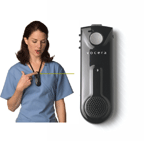
One button to activate Voice Call Commands
Call by name, title, function, group name or phone number
The wearable badge allows users to stay at the point of care while talking with necessary resources via a wireless network
Provides immediate person-to-person communication allowing decisions to be made faster
Eliminate the need to page and wait reducing the time it takes to assist patients
Reduces overhead paging, which disturbs staff and patients
Page by calling all or select groups to the badge
Make and take calls through the your phone system
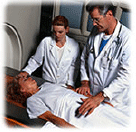 Doctors, nurses, and personnel communicate without delay (phone tag) exchanging critical information as they care for patients. This increases patient satisfaction while reducing costs. By eliminating recurring communication tasks, caregivers are able to spend more time interacting with patients.
Recurring tasks that interrupt care
Walking to and from the nurses station to make/take telephone calls
Waiting on hold
Waiting for telephone calls and pages to be returned
Tracking down support staff such as transportation, housekeeping, dietary, etc
 Increases productivity
Respond to calls without leaving to find a telephone
Call a nurse directly on a badge
Conduct 3-way conference call which may include a nurse, pharmacist, an intern or the attending physician
The unit secretary may contact people instantly versus wasting time with overhead pages to track them down
Healthcare workers to cover multiple floors/areas and still be immediately accessible
Call a physician for an order or a clarification of an order
Call support staff without leaving the patient bedside such as respiratory therapy, pharmacy, dietary, etc
Calling and responding to calls hands-free while in an isolation room
Nurses record and receive change of shift reports
A nurse can add their name to a group of clinicians supporting a room or bed. By leaving messages for this group, e.g. Room 104A, the nurse on the following shift can access messages about Room 104A. A physician or other caregiver can call a clinician assigned to a room simply by saying, get me Room 104A, without knowing the caregivers name
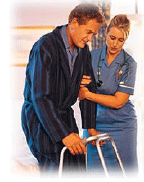 More time for the patient
The nurse is able to spend more time with the patient
The nurse is able to access support for the patient quicker and easier
Elimination of the middle man which contributes to inaccurate requests and orders
The nurse can feel empowered since he/she is able to request patient support without depending on another person to make a call, or relying on a call back from the physician
More time with a patient and less time running around trying to find people or resources